


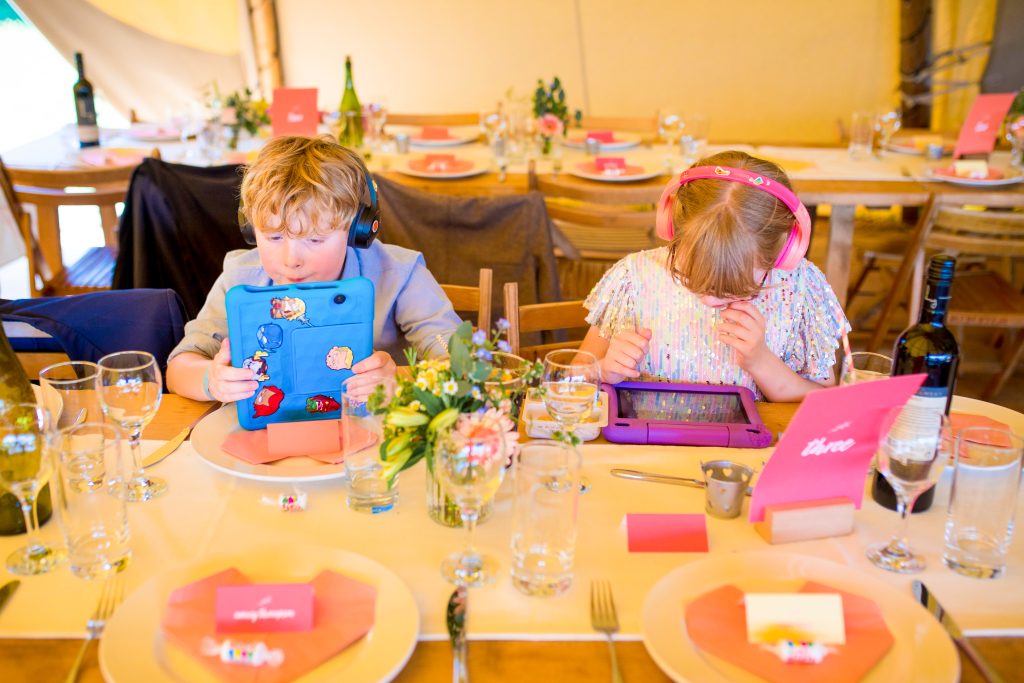
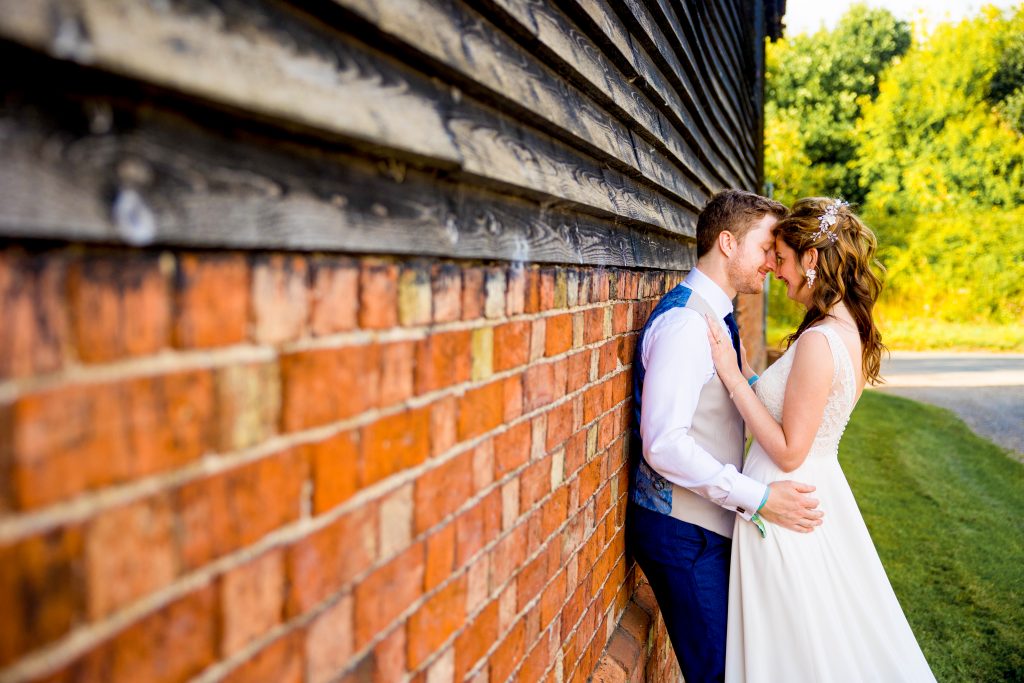
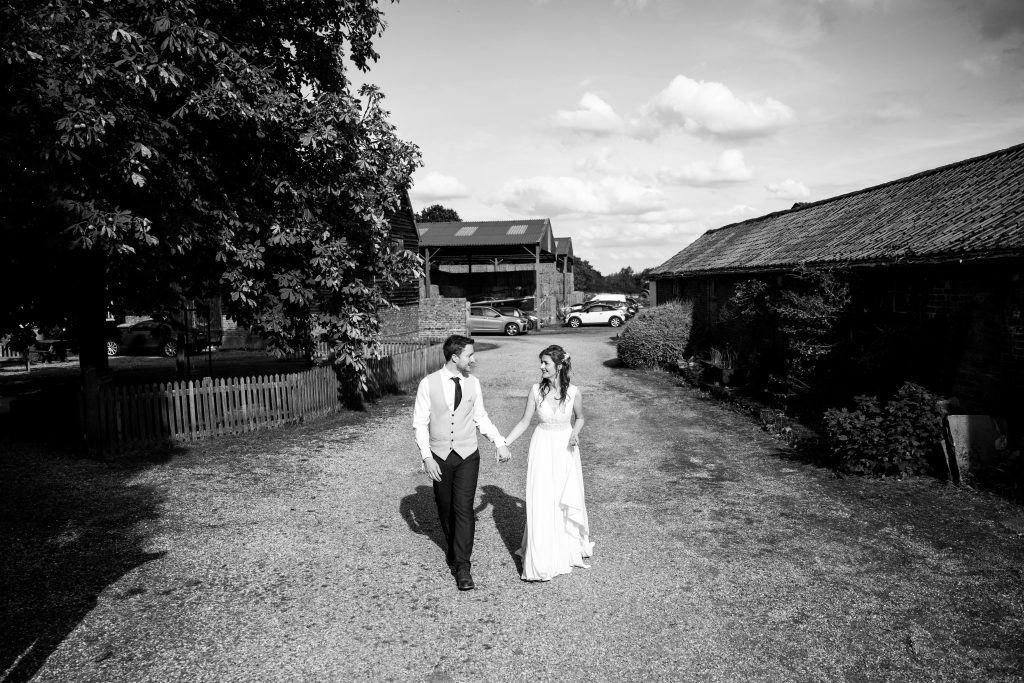
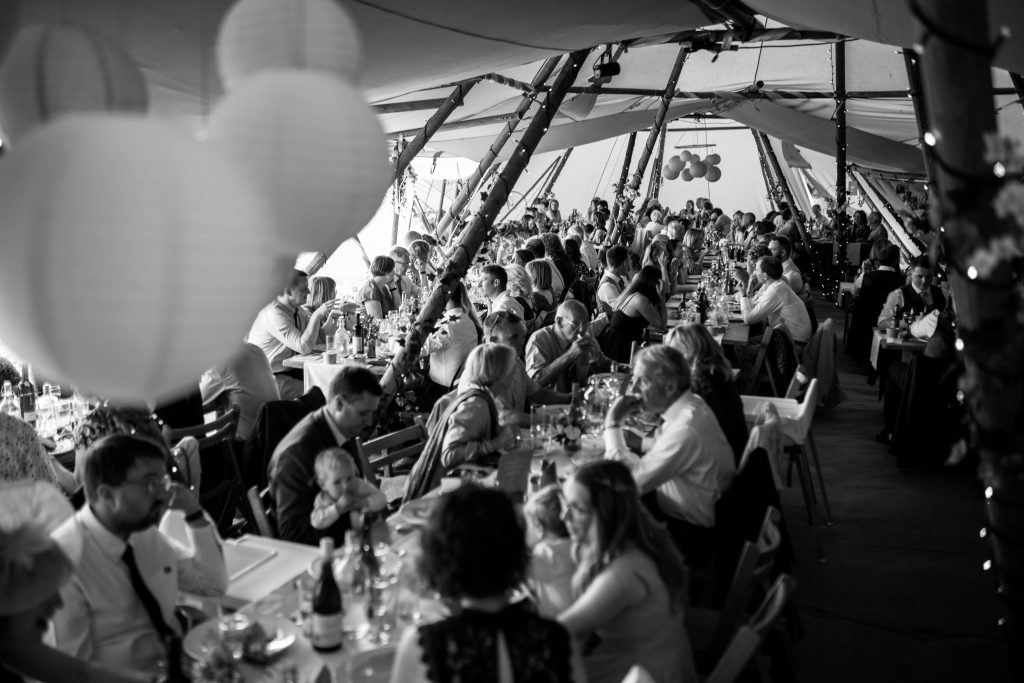
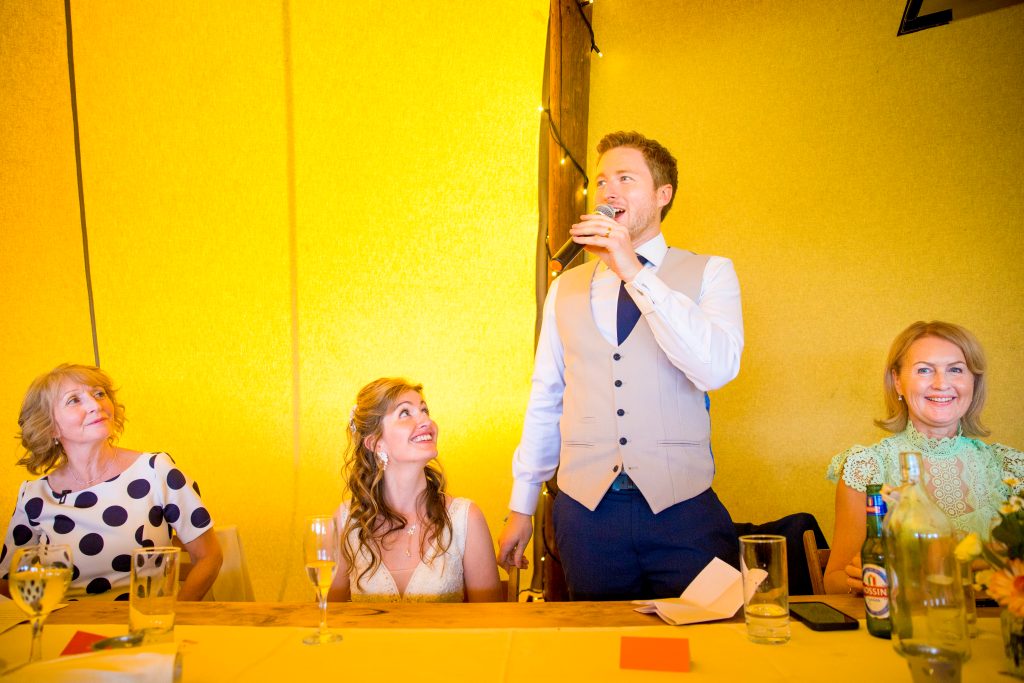
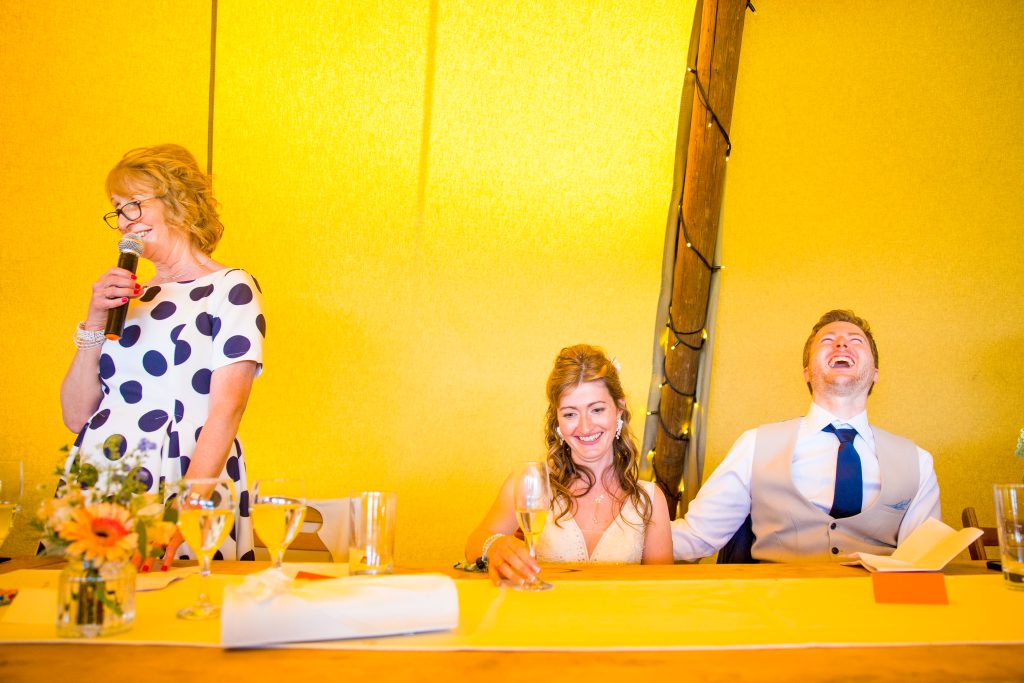
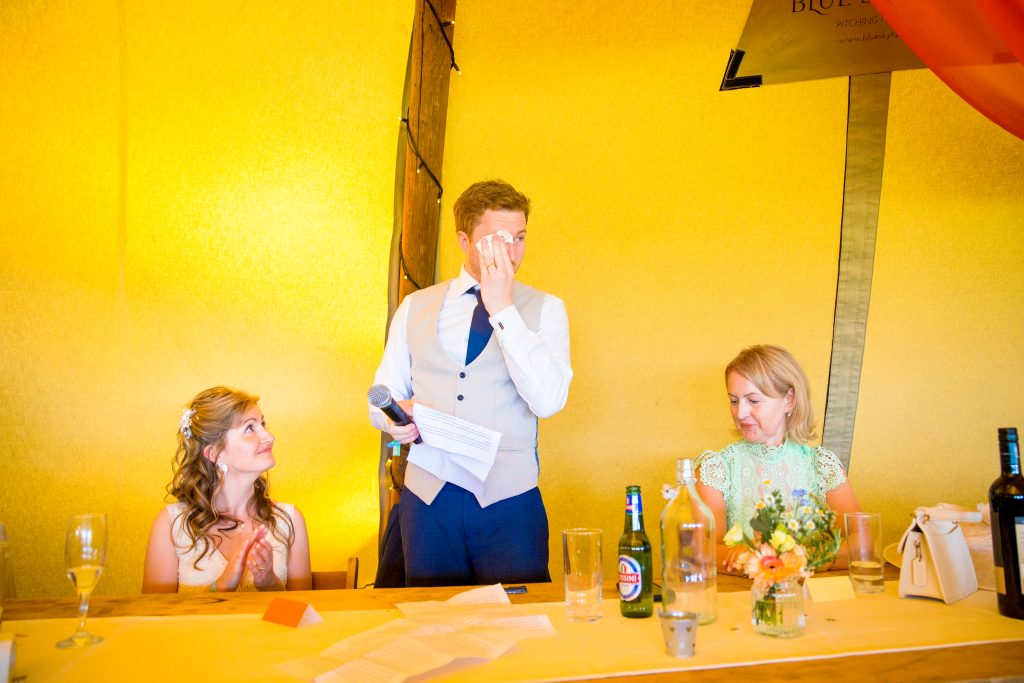
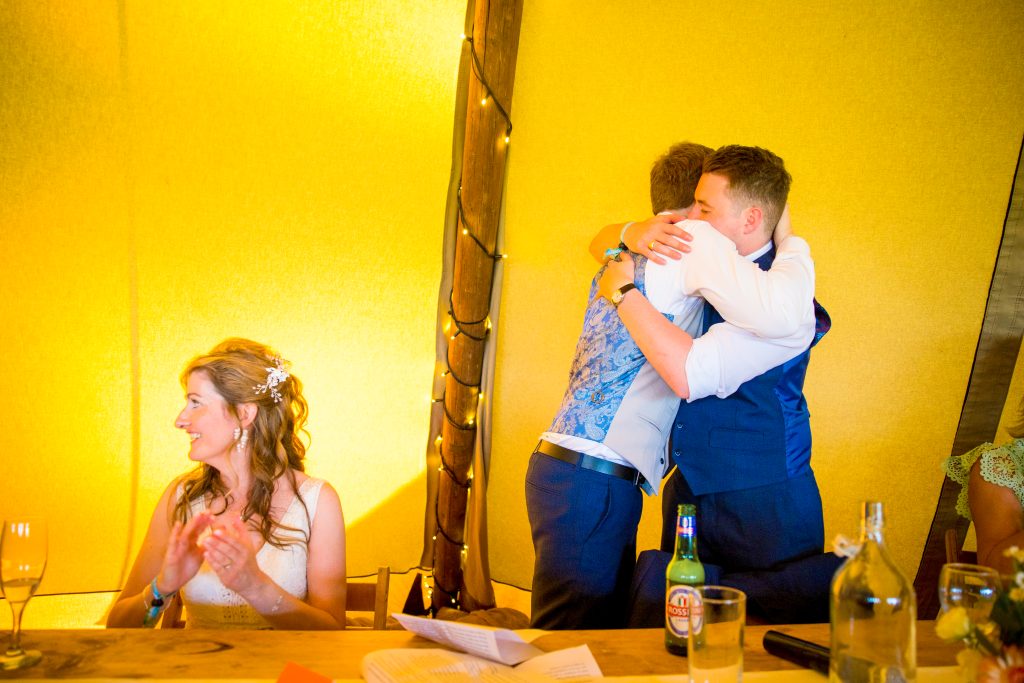
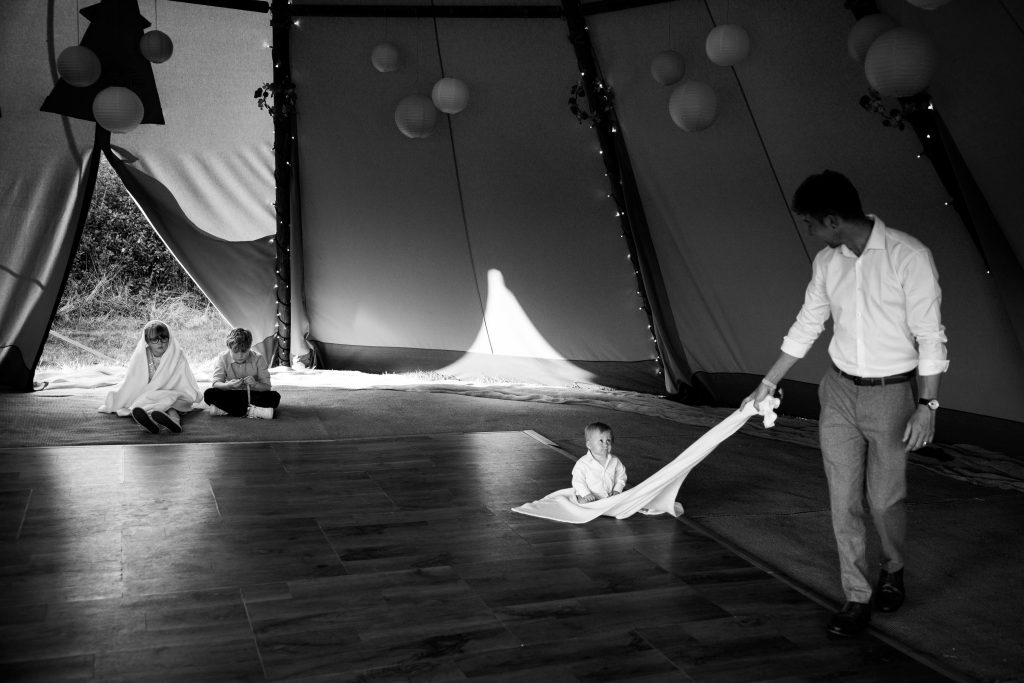
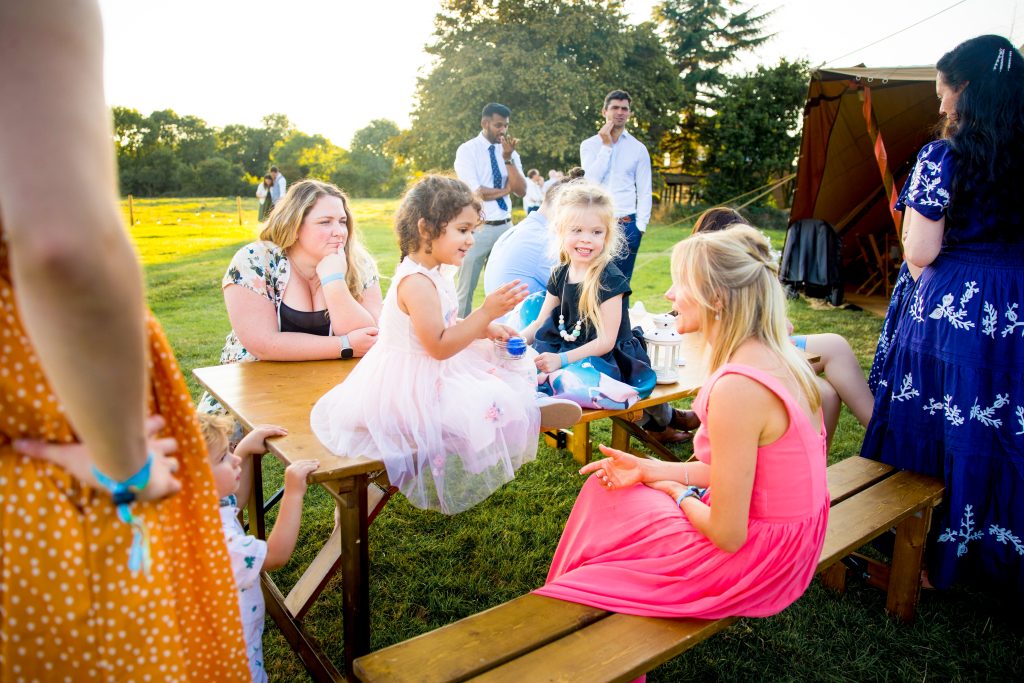
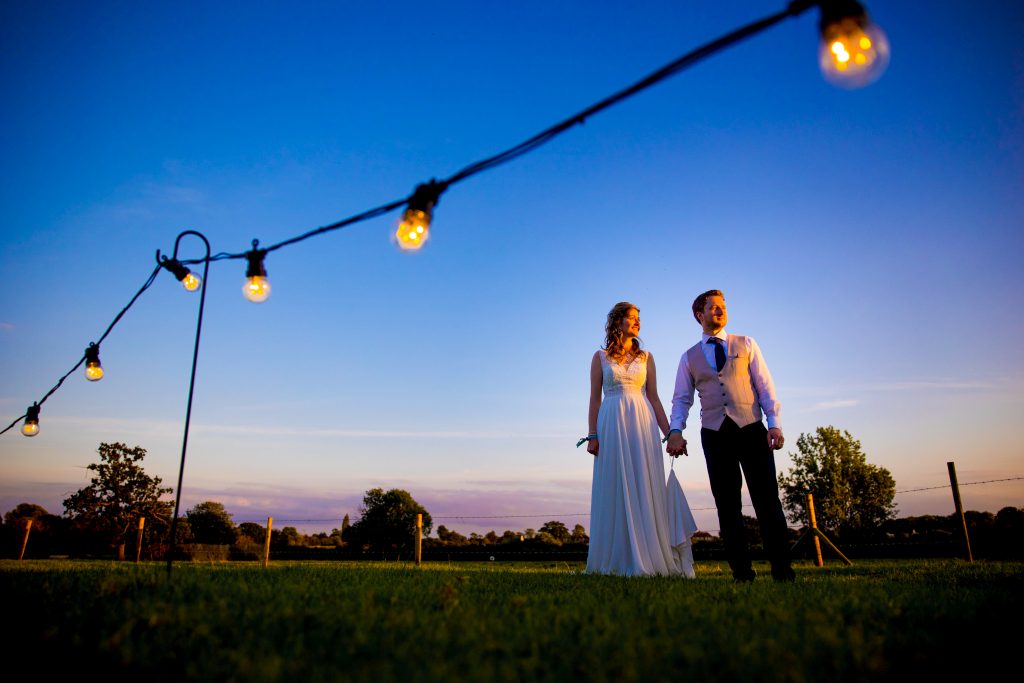
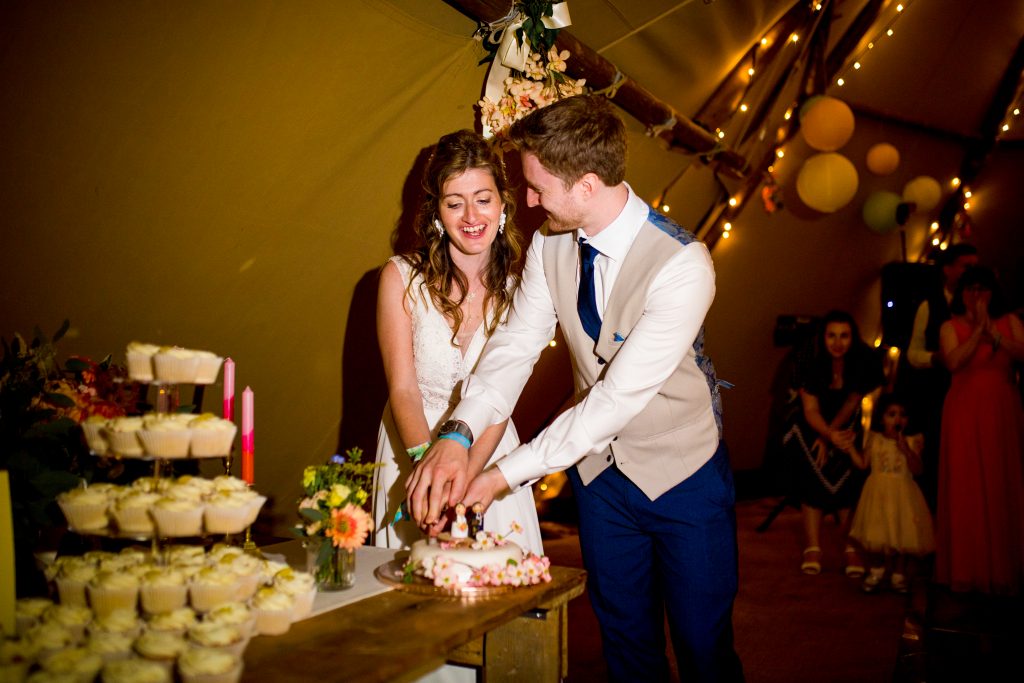
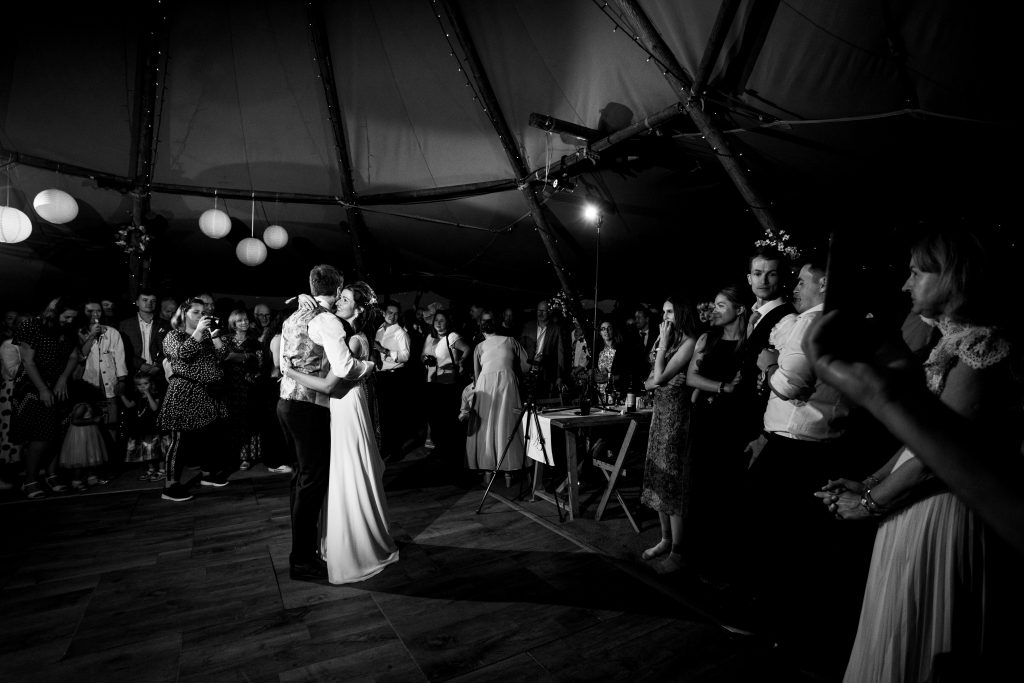
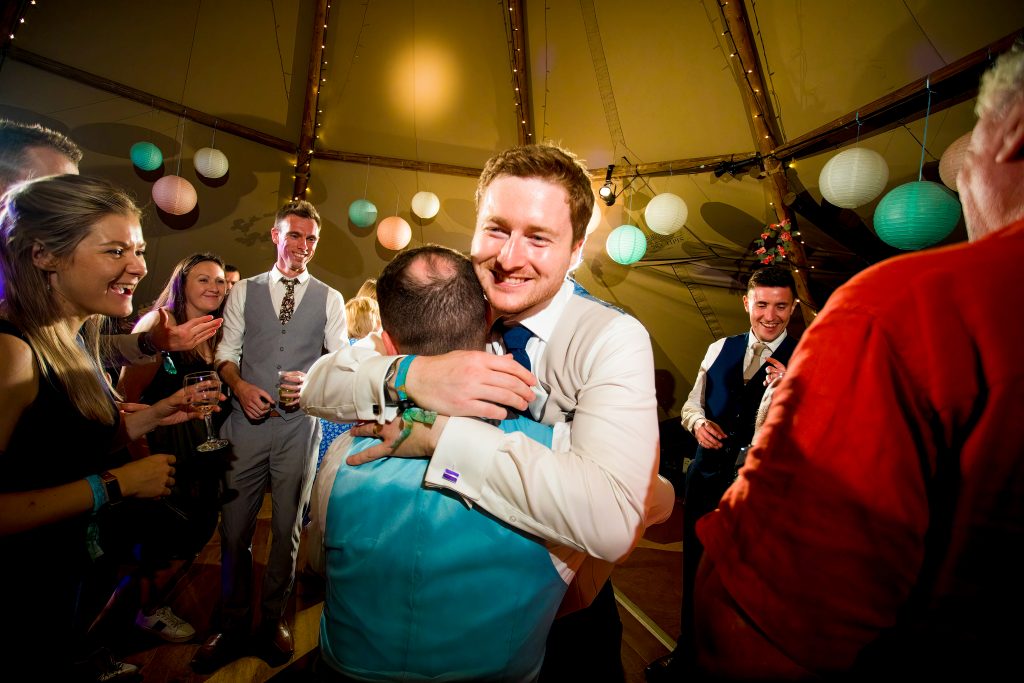
A day of fun, sunshine, festival vibes and giggles and a bit more fun. Oh, there was a wedding in there too, just for good measure.
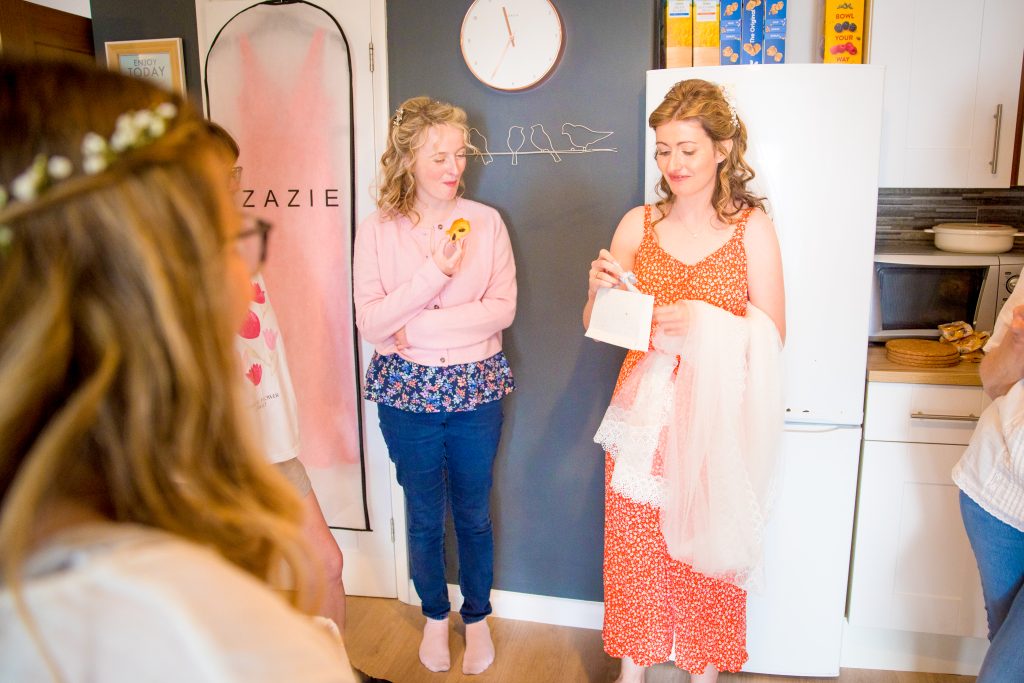
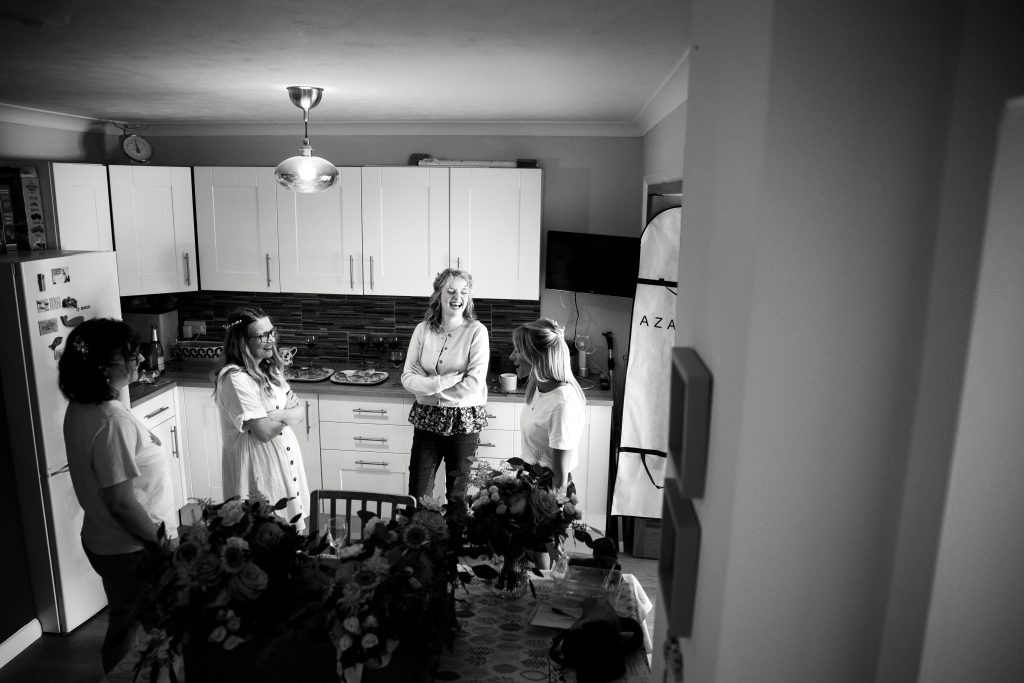
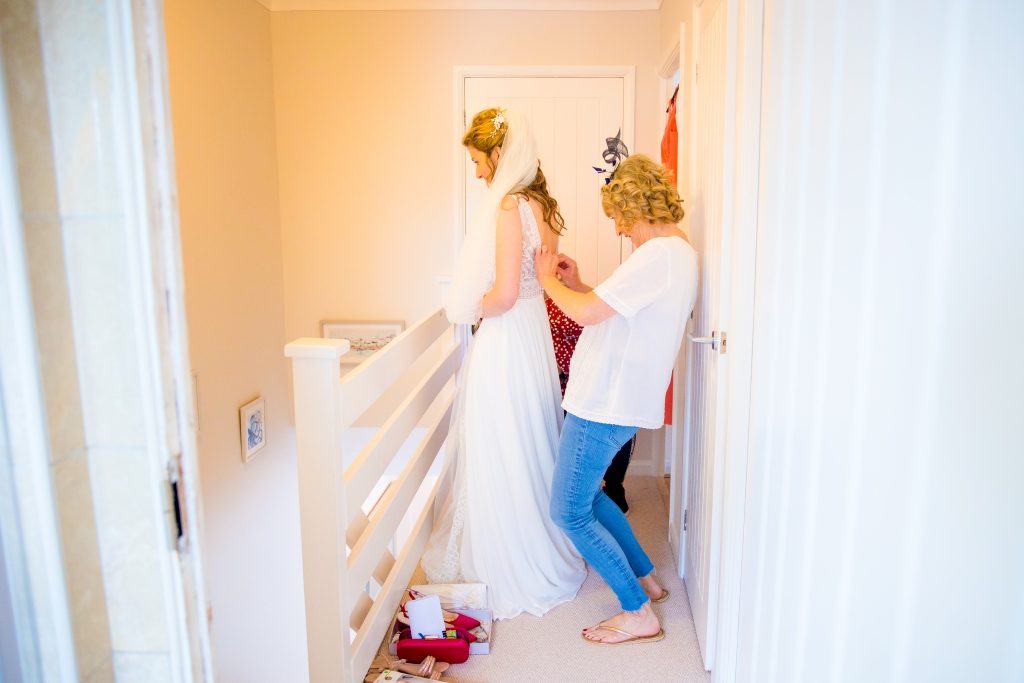
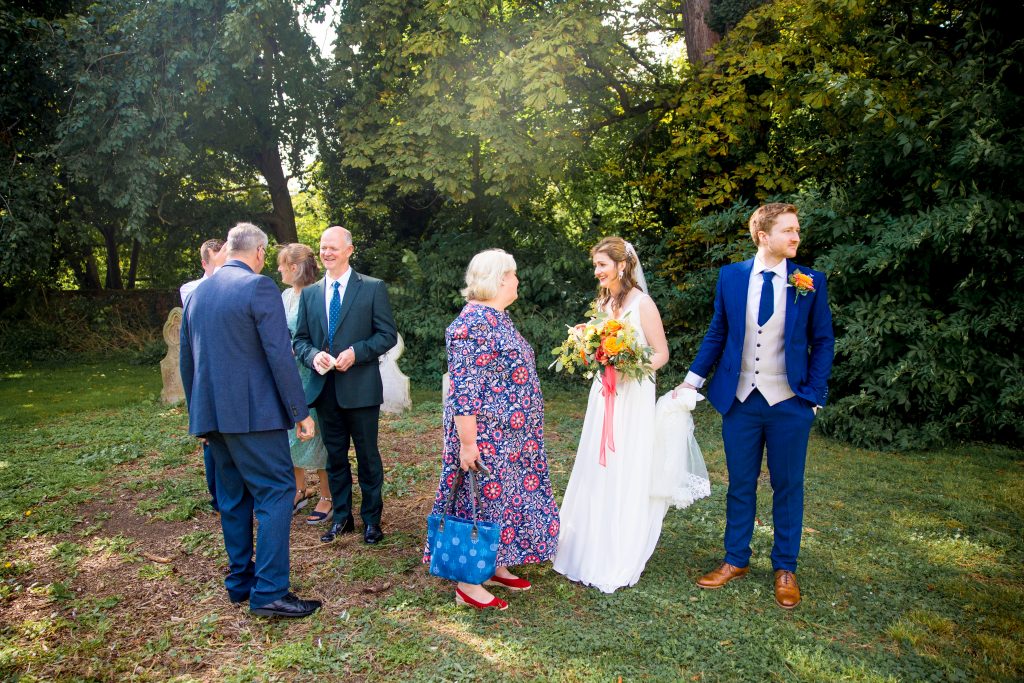
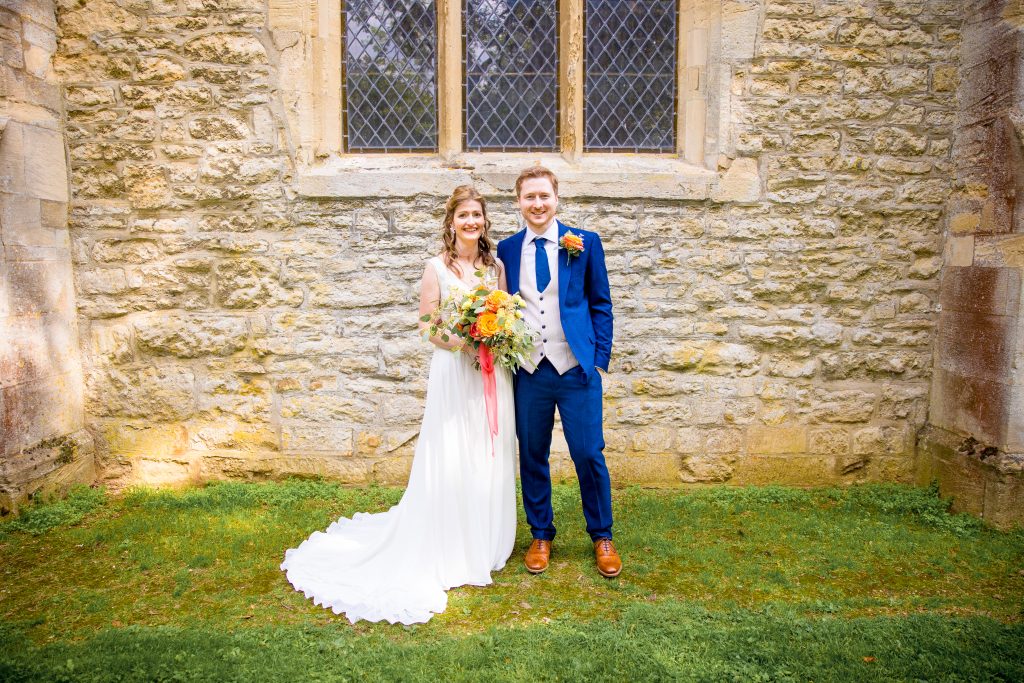
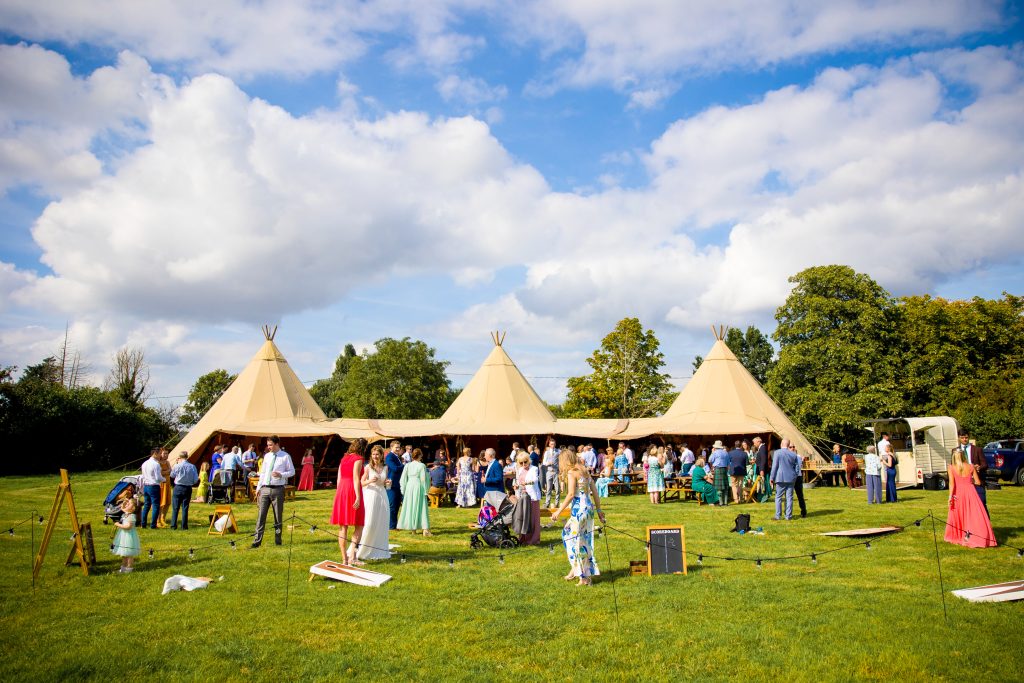
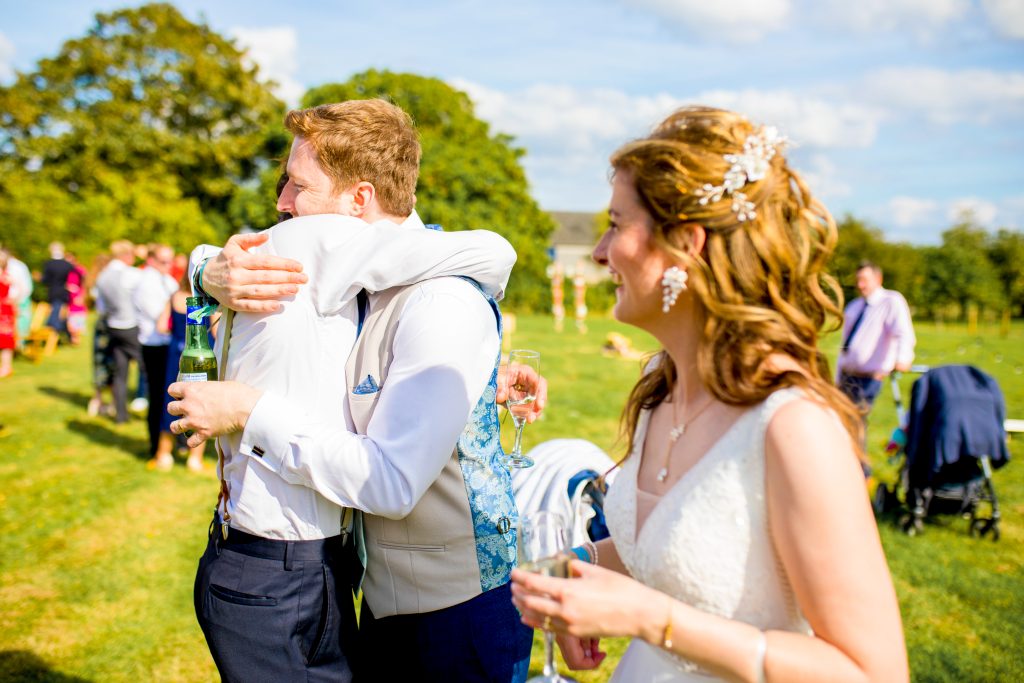
The day start at Abi’s parents house for a little bit of hair and makeup indulgence and Prosecco before we made our way to the church. A beautiful ceremony was had and the guests lingered in the churchyard, taking in the sunshine before we all headed to a local farm whom had set up one of their fields for the celebration of the day.
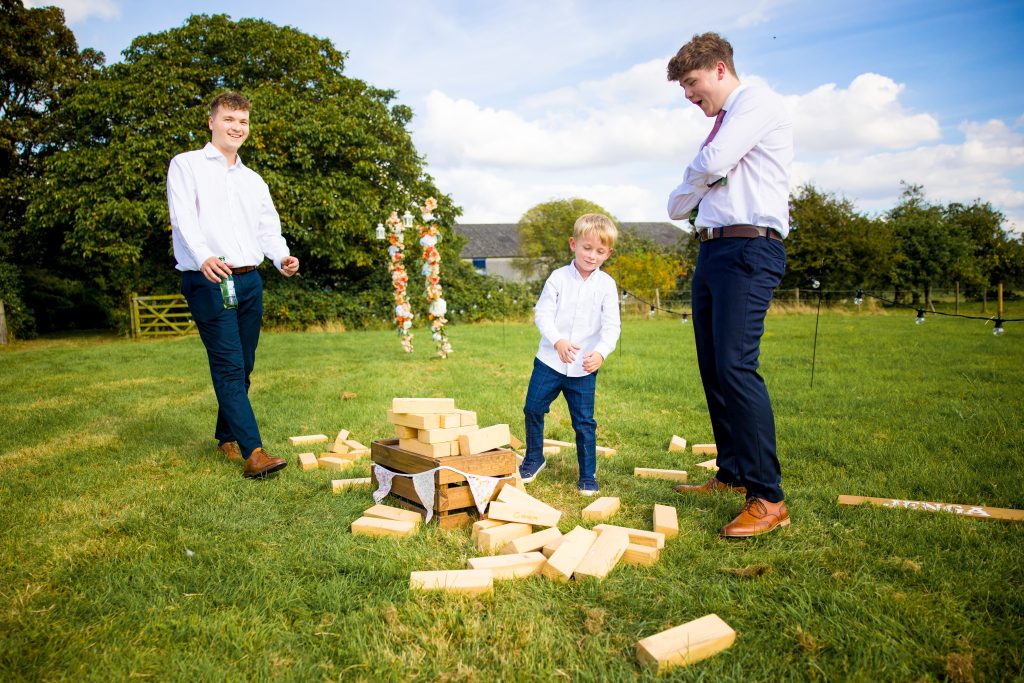
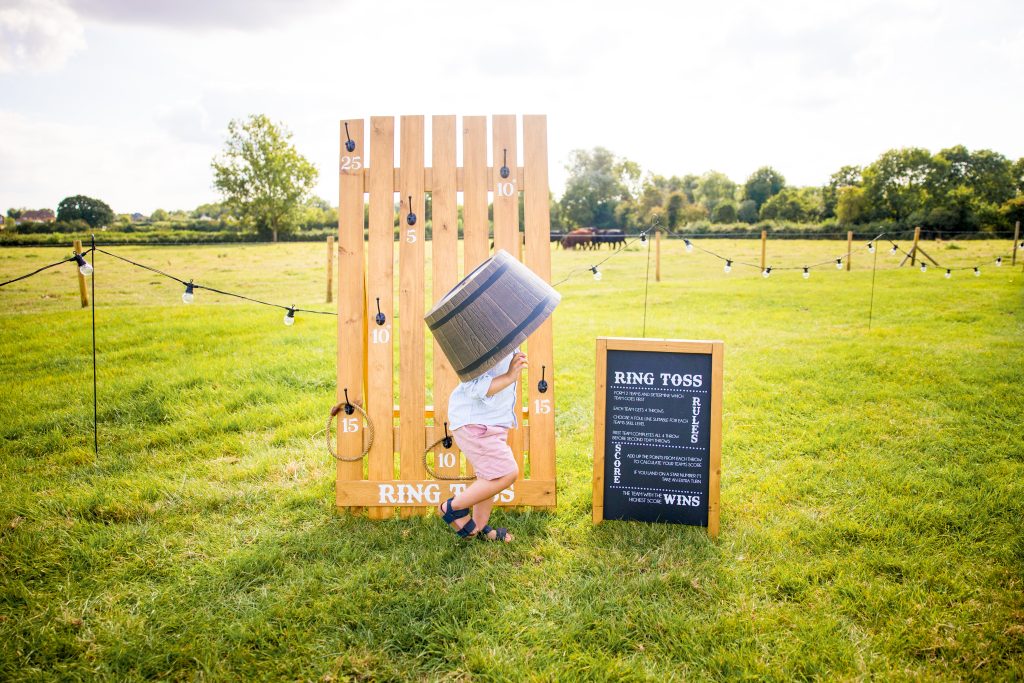
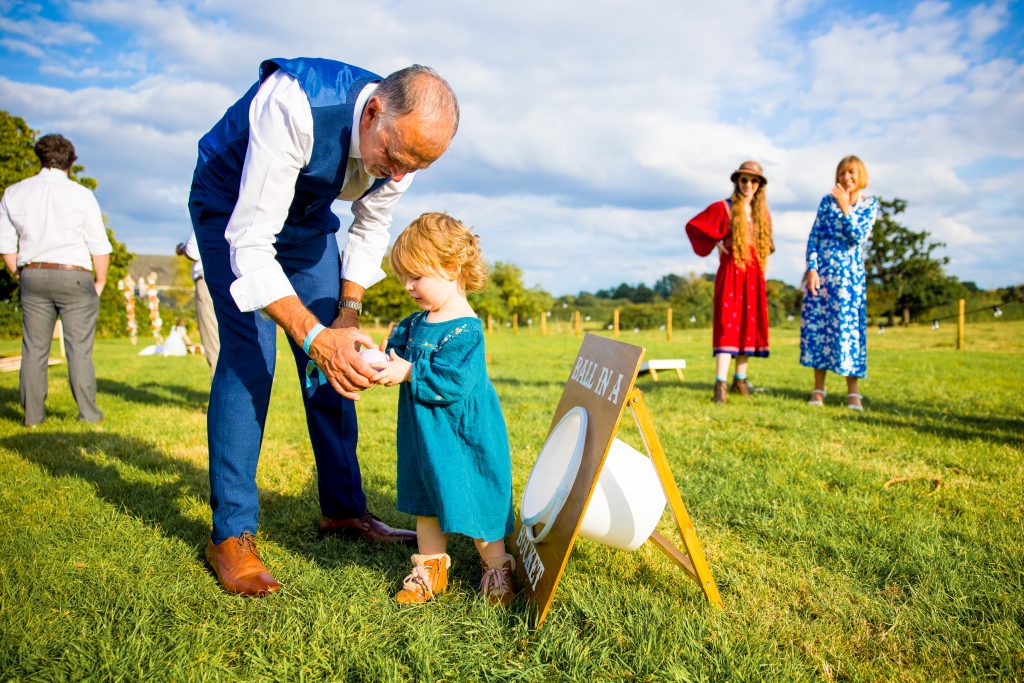
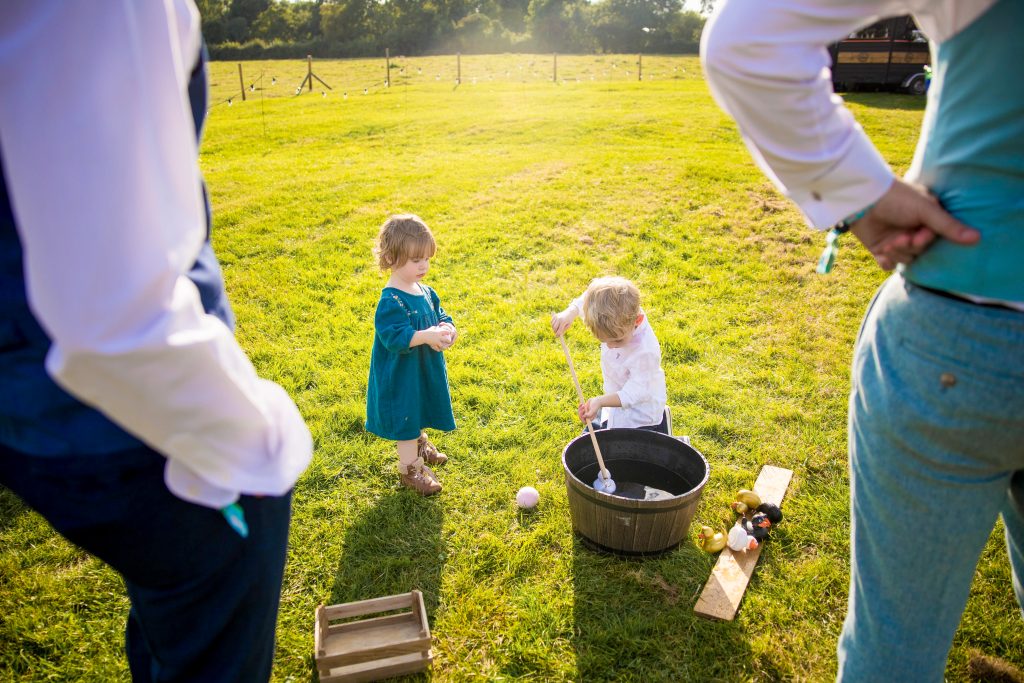
Once there, confetti completed, the games commenced. Every festival game you’ve ever seen seemed to be there – from coconut styles to jenga and beyond.
The sunshine really played its part in the carnival spirit of todays wedding and everyone smiles all day long. A perfectly fun day!













































Lichfield History
Lichfield’s history stretches back well before the reign of Henry VIII. Several theories surround the origin of its name. One early suggestion – that it means “field of the dead” – dates to around 300AD. It is theorised that 1000 Christians were murdered outside the city walls under Emperor Diocletian. While the word “lich” resembles the Dutch and German terms for corpse, historians generally dismiss this theory due to a lack of evidence.
A more widely accepted explanation connects Lichfield to the Roman settlement of Letocetum. Founded in the first century AD at the junction of Ryknild Street and Watling Street, two miles south of the city. Letocetum thrived as a staging post before being abandoned following the Roman withdrawal from Britain in the fifth century. Its remains later became the village of Wall. It is thought that Lichfield was settled by former Roman inhabitants and their Celtic descendants.
Lichfield became a major religious centre in AD 666 when St Chad, Bishop of Mercia, established it as his bishop’s seat, known as Lyccidfelth. Although the seat moved to Chester in the eleventh century after Viking attacks, Lichfield remained an important place of pilgrimage following St Chad’s death in 672. A Saxon church was built to house his remains, followed by a Norman cathedral in 1085.
Under Bishop Roger de Clinton, Lichfield Cathedral and Cathedral Close were fortified. The city’s distinctive street layout – including Market Street, Bore Street, Dam Street, and Bird Street – was established. In 1195, work began on a Gothic cathedral which took around 150 years to complete and forms the basis of the present-day structure.
The Cathedral played a central role in Lichfield’s turbulent history. During the Reformation, the shrine to St Chad was removed. Religious decoration was destroyed, and the nearby Franciscan Friary was dissolved. The city also suffered outbreaks of plague and religious persecution. This included the execution of Edward Wightman in 1612, the last person burned at the stake in England.
During the English Civil War (1642–1651), Lichfield was strategically important and frequently contested. The Cathedral was occupied by both Royalist and Parliamentarian forces and suffered extensive damage, including the destruction of its central spire. One notable event was the death of Parliamentarian leader Lord Robert Brooke, shot during the 1643 siege on St Chad’s Day.
Despite this upheaval, Lichfield prospered in the seventeenth and eighteenth centuries. Mainly as a key coaching stop between London, Chester, Birmingham, and the North. It became the wealthiest town in Staffordshire, featuring paved streets, underground drainage, and gas lighting.
Lichfield is also renowned for its cultural heritage. It was the birthplace of Dr Samuel Johnson, one of the most influential figures in English literature. Also David Garrick, Erasmus Darwin, and poet Anne Seward. The arrival of the railways in the nineteenth century reduced its importance as a travel hub. As a result, much of Lichfield’s Georgian architecture survives, contributing to its enduring appeal today.


