


When a combination of cultures meet at a wedding it makes for such a fun, vibrant and amazing day.
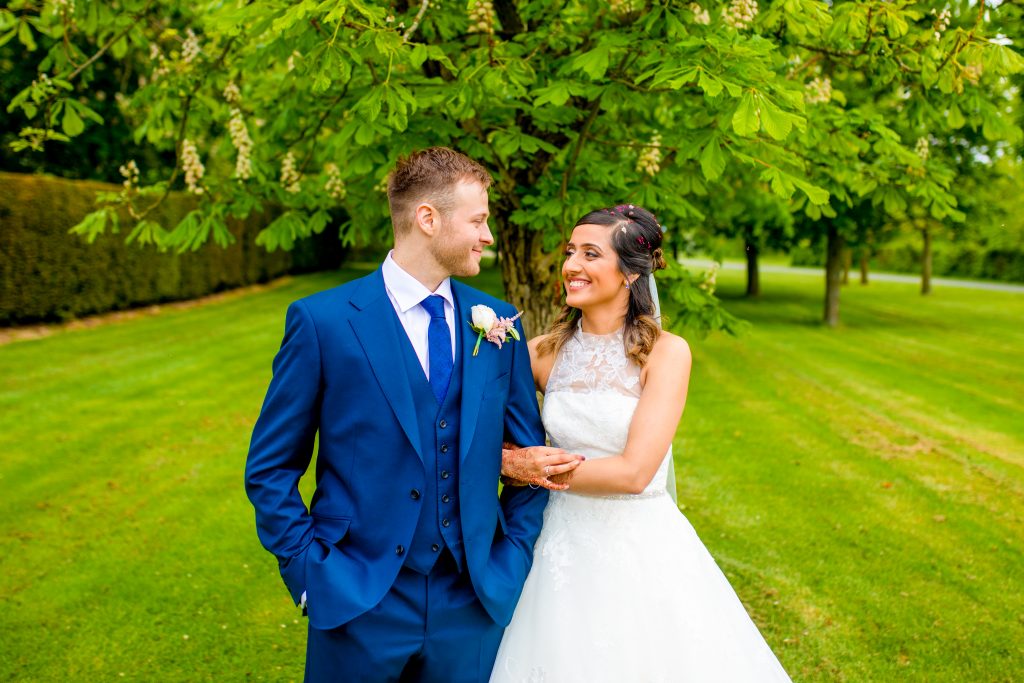
That’s exactly what happened for Sharon & Toby’s big day and it turned out to be an absolute blast.
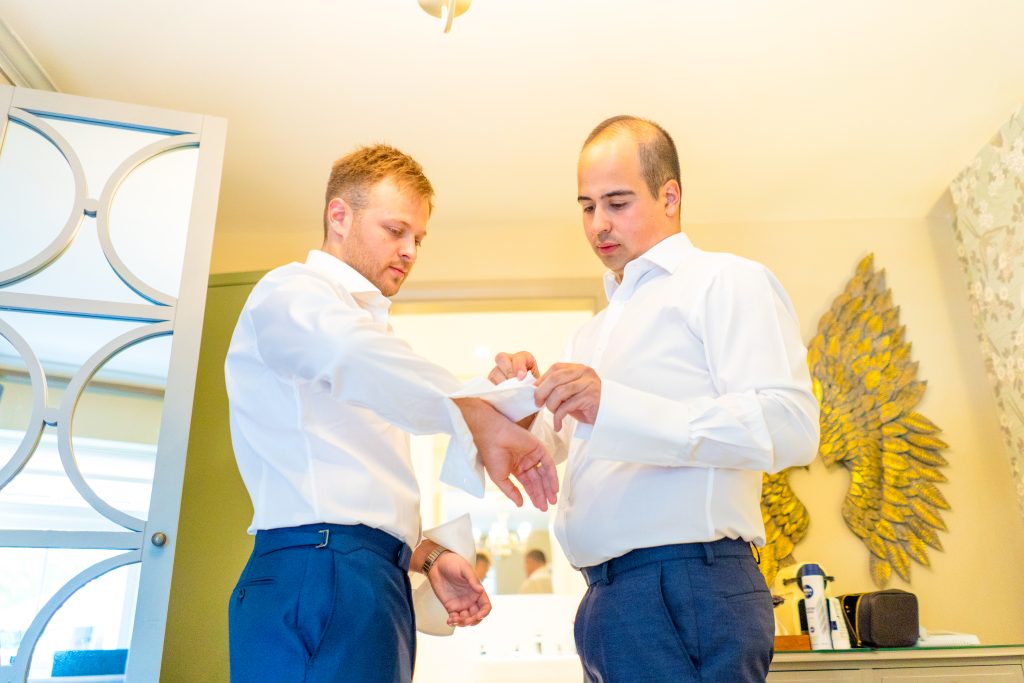
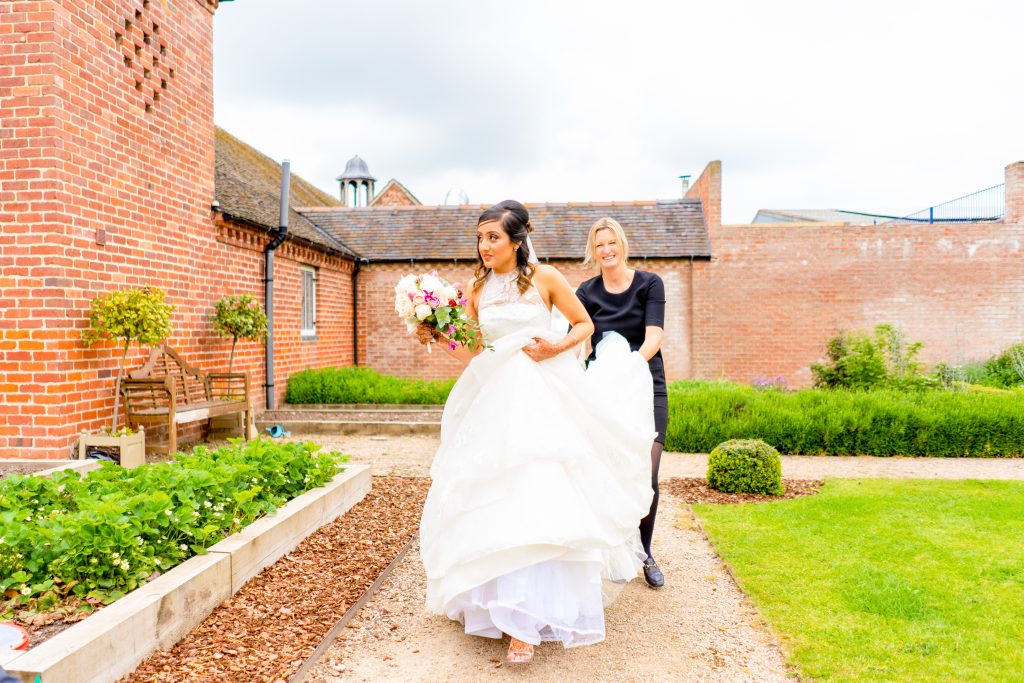
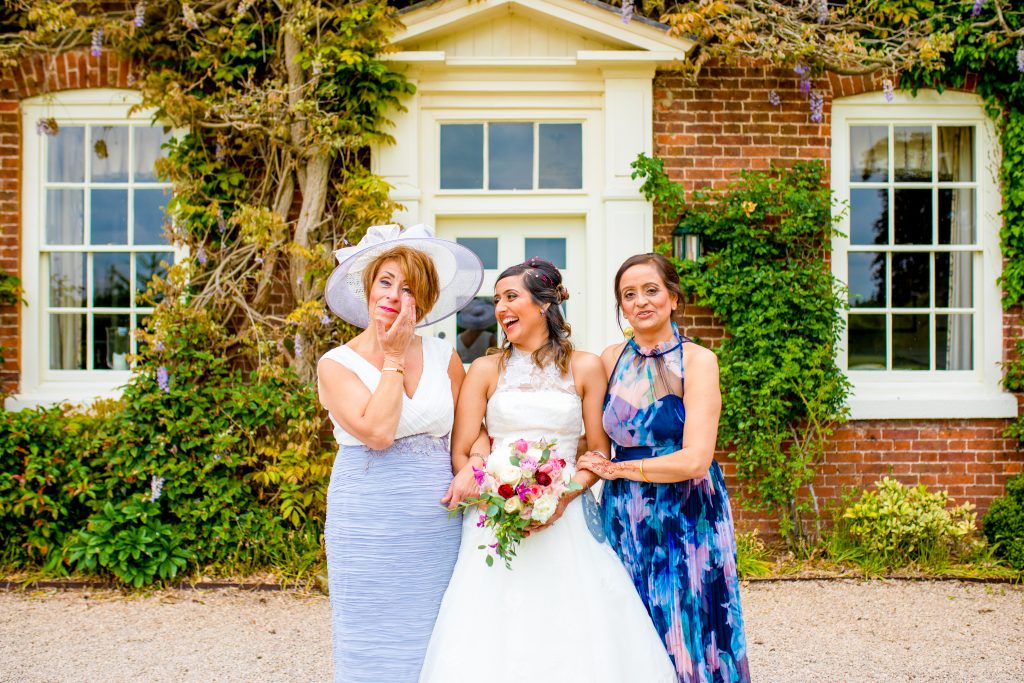
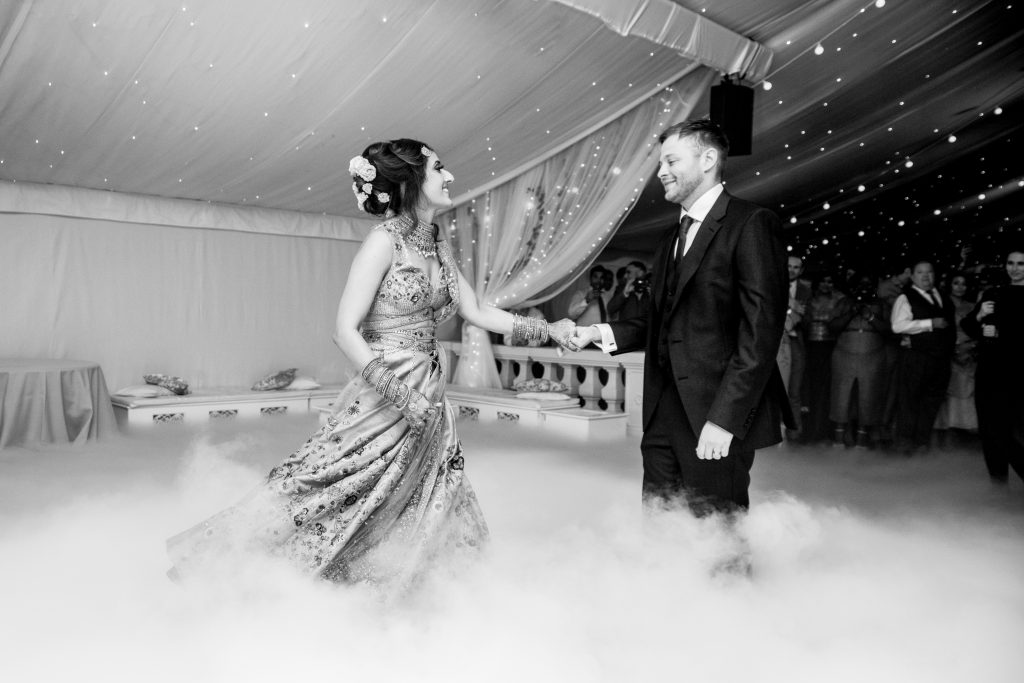
For starters, there were costume changes, Bangra music, colours and traditions everywhere. It all started with a very fun and laid back prep before a small and intimate ‘English’ ceremony was had with just there very nearest and dearest. Once this was done and a quick confetti line was completed, Proseccos in hand they headed for an early lunch before starting again with a smaller amount of prep to get ready for the Indian style wedding celebration that was to come later.
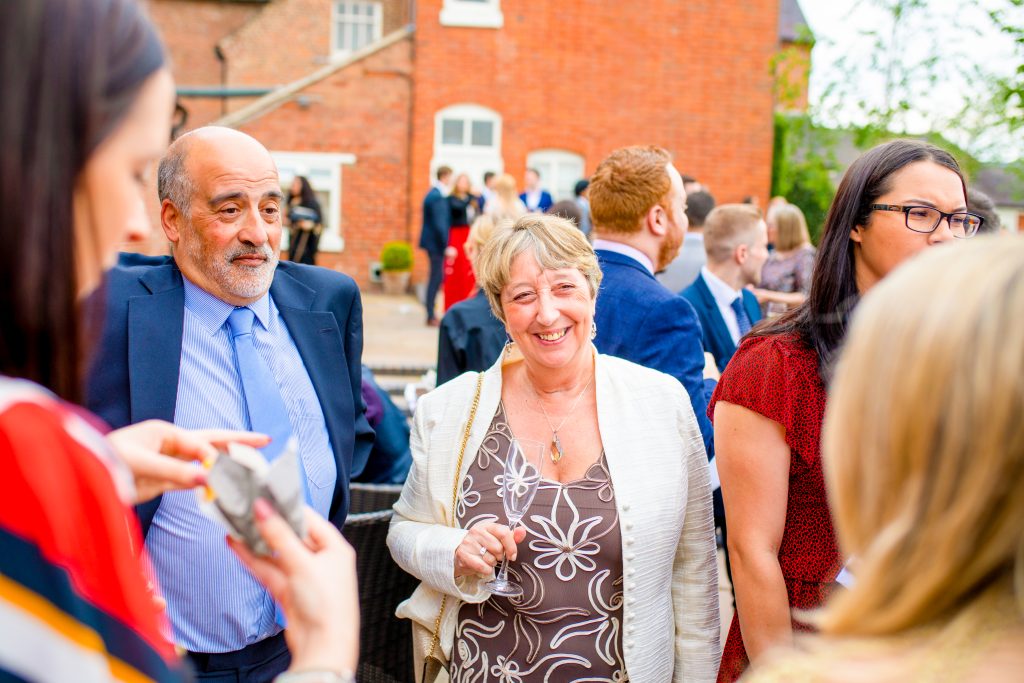
Glammed up and looking fab in their new garb, the evening guests arrived and the party really got started with a fantastic blend of music from both cultures turning the dance floor into a small festival or fun.


















About Alrewas Hayes
Alrewas Hayes is a historic estate located near the village of Alrewas in Staffordshire, England — an area whose name derives from the Old English Alor-wæsse, meaning “alluvial land growing with alder trees.” The landscape surrounding the estate has deep roots in English history, with archaeological indications of prehistoric and Roman presence and ancient salt-trade routes passing through the area. During the 18th and early 19th centuries, the land underwent major transformation through enclosure acts. In 1725, John Turton, Lord of the Manor, received parliamentary approval to enclose much of the land surrounding what is now Alrewas Hayes, with a second act in 1818 completing the process and formalising the estate’s boundaries.
Emerging from this period of enclosure, Alrewas Hayes developed into a prominent country residence set within landscaped parkland. The main house, a Grade II-listed Queen Anne manor, dates from the early 18th century and exemplifies the architectural elegance of the period. According to the estate’s own records, its roots stretch even further back — to the time of the Domesday Book in 1066, when the surrounding area was described as extensive woodland. Over the centuries, Alrewas Hayes has remained in the same family for five generations, with each era leaving its own imprint through subtle extensions, refurbishments, and modernisation.
Set within approximately 100 acres of Staffordshire countryside, the estate encompasses landscaped gardens, parkland, woodland, and a tranquil lake, forming a quintessential English country setting. The grounds were historically pasture and meadowland, reflecting the area’s agrarian economy, and later developed into formal gardens and scenic parkland. The Queen Anne manor house remains at the centre of the estate, surrounded by courtyards, outbuildings, and carefully maintained gardens that highlight its stately character.
In recent years, Alrewas Hayes has undergone a thoughtful transformation into a luxury event and wedding venue. The renovation preserves the historic charm of the manor while integrating contemporary amenities such as boutique guest rooms, elegant event spaces, and manicured outdoor areas designed for gatherings and photography. Today, Alrewas Hayes offers exclusive-use experiences that blend its centuries-old heritage with modern sophistication, making it one of Staffordshire’s most sought-after destinations for weddings, corporate events, and private celebrations.
The story of Alrewas Hayes is one of evolution — from ancient woodland and agricultural pasture to an elegant Georgian estate and, now, a refined modern venue. Its enduring family ownership, architectural legacy, and setting amidst 100 acres of parkland contribute to its strong sense of identity and timeless appeal. For SEO purposes, highlighting phrases such as “18th-century Queen Anne manor house,” “historic 100-acre Staffordshire estate,” “five generations of family ownership,” and “exclusive country wedding venue” can help connect the estate’s heritage with its contemporary brand presence.
Staffordshire History
Staffordshire, a county in the heart of England, takes its name from the town of Stafford, founded in the early 10th century by Lady Æthelflæd, daughter of Alfred the Great, who fortified the crossing of the River Sow against Viking incursions. By the time of the Domesday Book in 1086, much of the region was under the control of Robert de Stafford, a Norman knight whose descendants became the powerful Stafford family — later the Earls of Stafford and eventually the Dukes of Buckingham. Their seat, Stafford Castle, stood as a symbol of feudal authority until Edward Stafford, the third Duke of Buckingham, was executed by Henry VIII in 1521 for alleged treason, marking the decline of one of England’s great medieval houses.
During the 18th century, Staffordshire emerged as an industrial giant. The area known as “the Potteries” — centred on Stoke-upon-Trent, Burslem, Hanley, Longton, Tunstall, and Fenton — became the cradle of Britain’s ceramics industry. Innovators such as Josiah Wedgwood of Etruria, Thomas Whieldon, Josiah Spode, and Thomas Minton transformed clay into a global trade. Their work was supported by James Brindley’s Trent and Mersey Canal, completed in 1777, which linked the kilns, coalfields, and ironworks of Staffordshire to the ports of Liverpool and Hull, fuelling the Industrial Revolution.
In the 19th century, the county thrived on both craft and commerce. Lichfield, the cathedral city of the diocese, remained a cultural beacon — the birthplace of Dr Samuel Johnson, friend of Boswell and compiler of the Dictionary, and the home of the actor David Garrick and physician-poet Erasmus Darwin. Meanwhile, Burton-upon-Trent gained fame as England’s brewing capital, dominated by the Bass, Allsopp, and Worthington families. The Earl of Shrewsbury’s estate at Alton Towers became a Victorian marvel of landscape and architecture, while Stafford developed industries of its own, including shoe-making and the construction of the county gaol.
The 20th century brought both war and innovation. Cannock Chase was used for military training during the world wars and is now the site of a German war cemetery, while RAF Cosford, opened in 1938, became an enduring centre of aviation and heritage. Stoke-on-Trent was granted city status in 1925, uniting its six towns under one civic identity. Postwar Staffordshire balanced tradition with progress: JCB, founded by Joseph Cyril Bamford in Rocester, became an international engineering name, while Wedgwood and Marston’s maintained the county’s manufacturing prestige.
Today, Staffordshire blends its deep industrial roots with the beauty of its countryside — from the uplands of the Peak District in the north to the rolling woodlands of Cannock Chase in the south — carrying forward a legacy shaped by names like Æthelflæd, Wedgwood, Johnson, and Bamford, each leaving their mark on the fabric of England’s heartland.


