


This was my first ever handfasting wedding so was one I was really looking forward to experiencing. It didn’t disappoint.
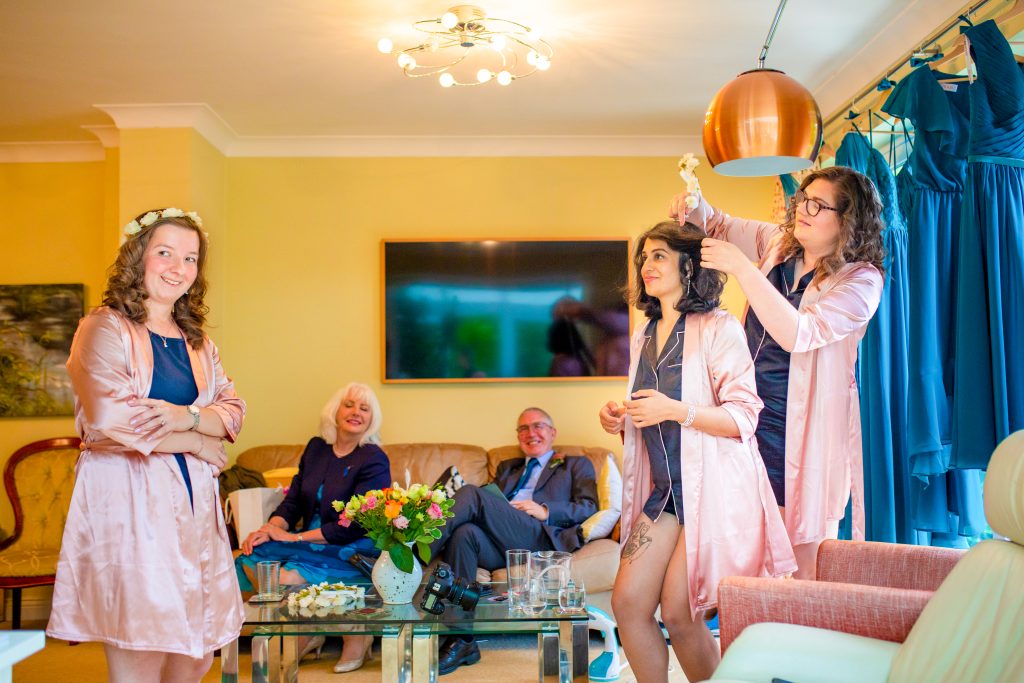
We began the day at Poppys parents home, where the bridesmaids and bride to be had gathered the night before. Prosecco was popped, makeup applied, hair done and dresses put on before we headed outside, attached balloons to the cars and headed to the venue for the big ‘I do’s’.
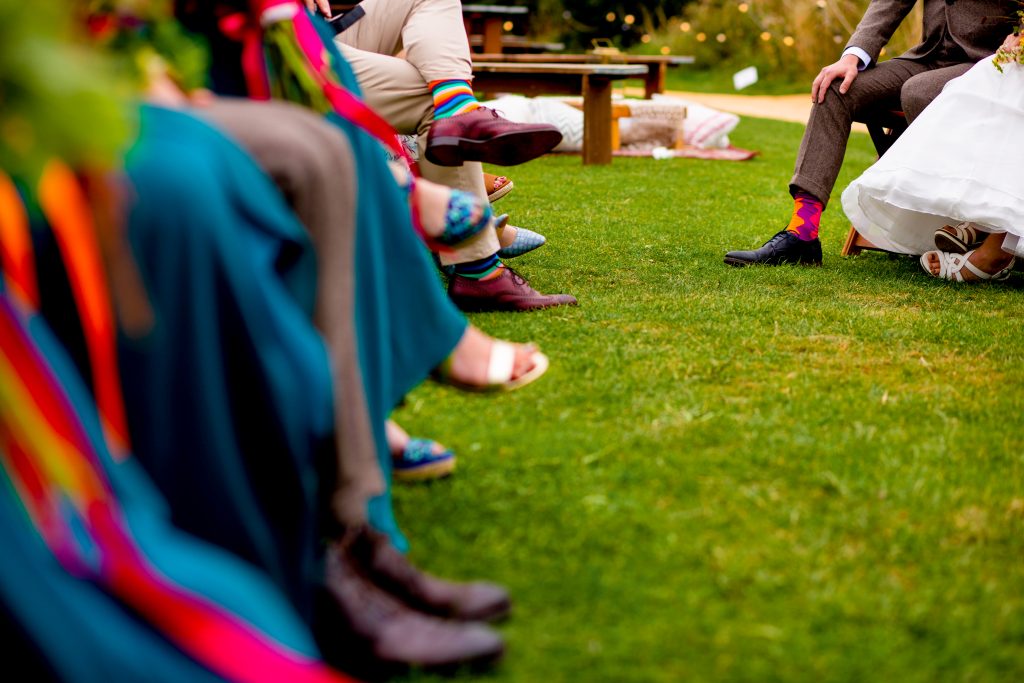
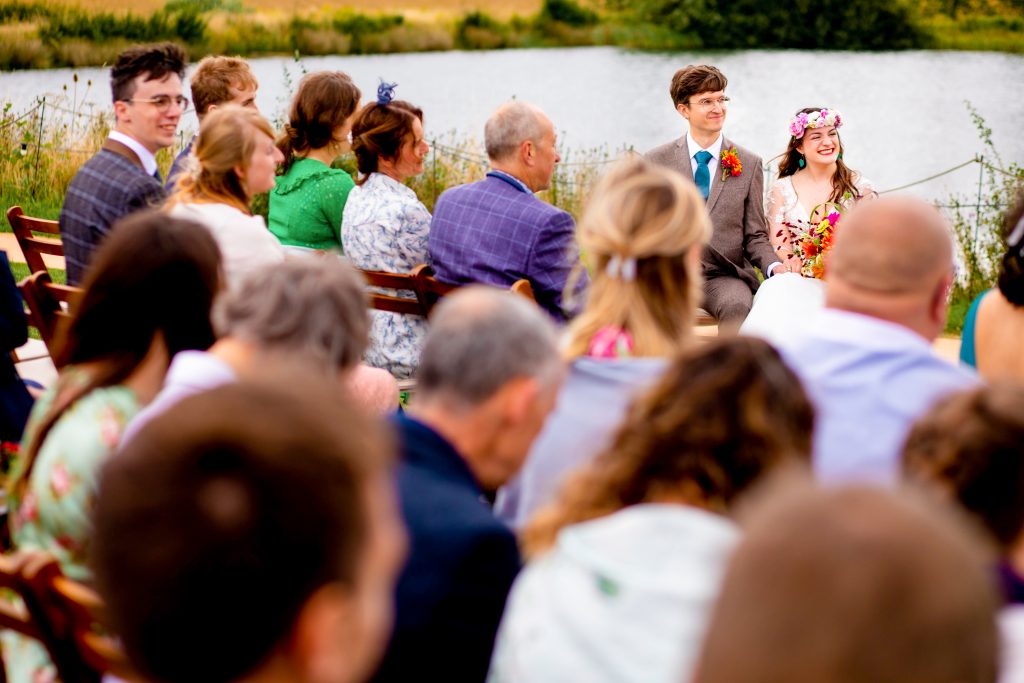
As we arrived, we were met by Tim, the groom and an eager gaze of the guests from afar. As our couple walked down the aisle together, hand on hand, the ceremony began. Laughs and giggles throughout, the way it should be, and we were done and walking back up the aisle, confetti being thrown over the happy couple.
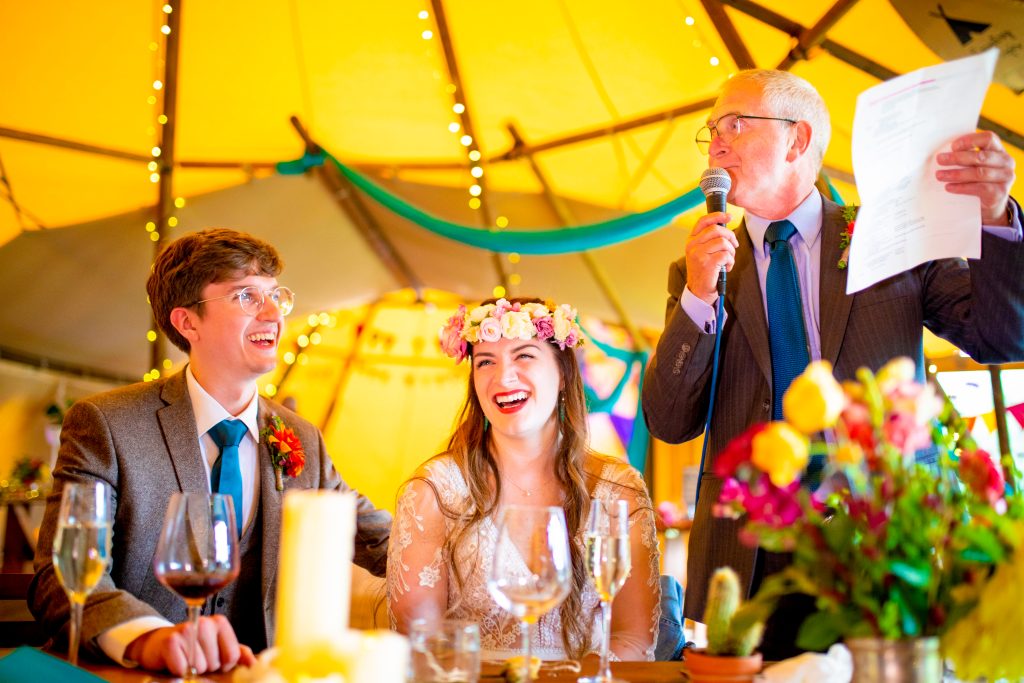
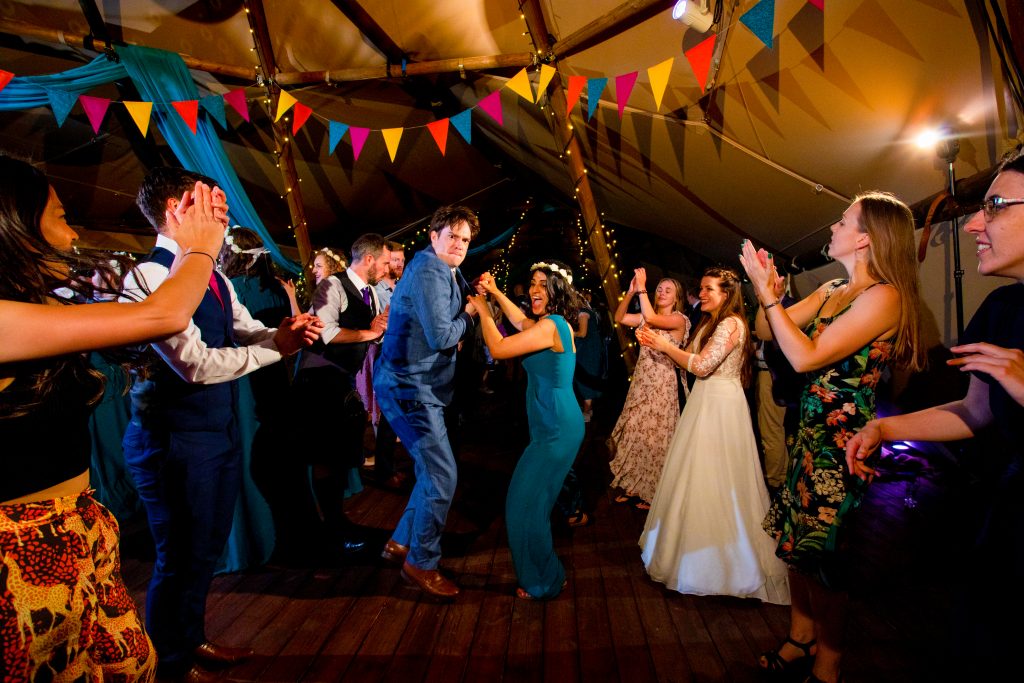
The reception started, drinks flowed, canapes were eaten, group shots taken and it was time for the speeches and the wedding breakfast. Not long after, we were ready for the ceilidh dancing. Which, as a photographer, I LOVE. The chaos and confusion is so much fun to photograph and everyone has a great time joining in. If you’re tempted with one, do it, you won’t regret it.































Suppliers
Venue: Tip Top Venues
Caterers: Hungry Hog BBQ
Milton Keynes History
Milton Keynes has a history that stretches back thousands of years. Blending deep archaeological roots with one of the most ambitious urban planning projects in modern Britain. The area that now forms Milton Keynes was shaped by prehistoric settlers, Roman infrastructure, medieval villages, industrial expansion, and wartime innovation.
Evidence of human activity in the Milton Keynes area dates back to at least 2000 BC. Archaeological discoveries show Neolithic and Bronze Age communities farming the land and settling near rivers such as the Great Ouse. One of the most significant finds is the Milton Keynes Hoard, a collection of Bronze Age tools and weapons that highlights the area’s importance in early trade and craftsmanship. Iron Age settlements were later established, particularly around what are now Wolverton and Woughton. During the Roman period, the region became more connected. Watling Street ran through nearby Stony Stratford and Roman villas built at sites such as Bancroft. The Roman settlement of Magiovinium, located close to modern Fenny Stratford, served as an important stopping point on Roman road networks.
In Saxon times, the core village that would later give its name to the city was known as Mideltone, meaning “middle settlement.” This name first appears in the Domesday Book of 1086, where Mideltone is recorded as a small agricultural community. During the 12th century, the manor came under the control of the Norman de Cahaignes family. Their name gradually evolved into the suffix “Keynes,” transforming the village’s name into Middleton Keynes, now known as Milton Keynes Village. Throughout the medieval period, nearby settlements developed their own identities. Stony Stratford grew as a key market town and coaching stop along Watling Street, while Wolverton and Bletchley remained largely rural, supported by farming and small-scale trade.
The early modern period saw little dramatic change, with agriculture continuing to dominate the local economy. However, the Industrial Revolution brought major transformation. The arrival of the Grand Union Canal in the early 19th century improved transport links and trade. Particularly through Wolverton and Fenny Stratford. This was followed by the London and Birmingham Railway in 1838, which turned Wolverton into a significant railway town. The Wolverton Works became a major employer, driving population growth and urban development. Nearby Newport Pagnell also industrialised, most notably through the Salmon car manufacturing factory, which produced some of Britain’s earliest motor vehicles.
The 20th century brought both global significance and rapid change. During the Second World War, Bletchley Park became the home of the Government Code and Cypher School. Codebreakers working there, including Alan Turing, played a crucial role in deciphering German Enigma and Lorenz codes. This work is widely credited with shortening the war and saving countless lives. After the war, the area’s strategic location was further enhanced by the opening of the M1 motorway in 1959, improving connections between London, the Midlands, and the North.
Post-war Britain faced a severe housing shortage, prompting the government to identify locations for large-scale planned development. In 1967, Milton Keynes was officially designated a New Town under the Town Development Act. The plan aimed to create a modern city capable of housing around 250,000 people while relieving pressure on London. The New Town incorporated existing towns such as Bletchley, Wolverton, and Stony Stratford, along with numerous villages and large areas of farmland.
Extensive green spaces, parkland, and linear parks were integrated into the city’s desig. Creating one of the greenest urban environments in the UK. There is even a ‘cathedral’ – planted trees in the shape of one which you are free to walk through. Modern architecture and experimental housing designs defined many early neighbourhoods.
Education and innovation became central to the city’s identity. The Open University was established in Milton Keynes in 1969, revolutionising higher education through distance learning and gaining international recognition. Over time, Milton Keynes developed a strong economy based on technology, logistics, finance, and research. Cultural institutions grew alongside commercial development, including theatres, galleries, major sports facilities, and one of Europe’s largest shopping centres, centre:mk.
In the 21st century, Milton Keynes continued to expand, with new districts built to the north and east. Despite rapid growth, historic villages and heritage sites such as Bletchley Park, Milton Keynes Village, and Stony Stratford have been carefully preserved. In 2022, Milton Keynes was granted official city status, recognising its size, economic importance, and unique character. Today, Milton Keynes stands as a city where ancient landscapes, medieval settlements, industrial heritage, and modern urban planning coexist, reflecting a remarkable journey from prehistoric settlement to modern city.


